
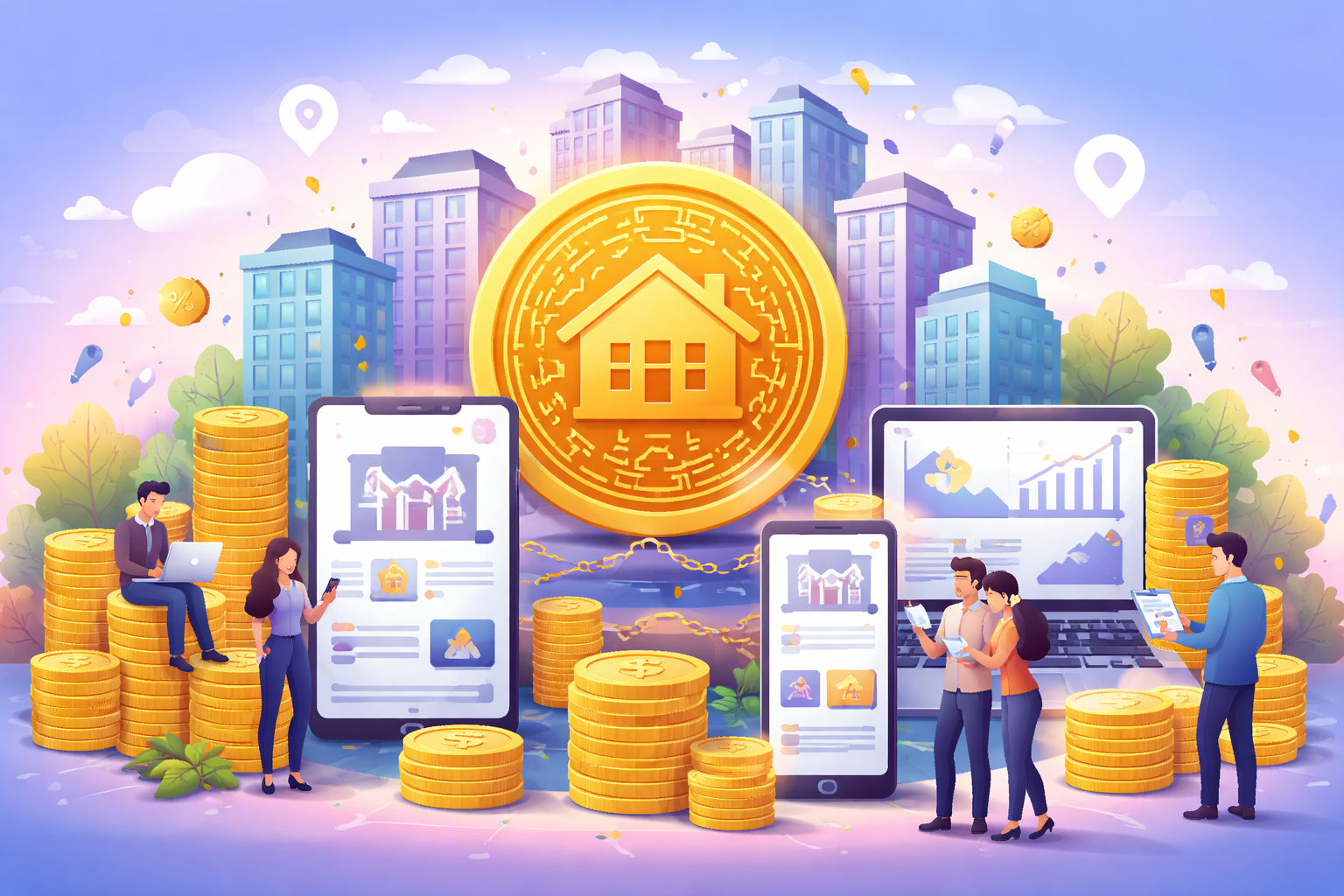
Real estate has long been considered a stable and lucrative investment avenue. However, traditional property investment often comes with significant challenges, particularly when managing a portfolio that spans multiple properties. From administrative overhead to fragmented ownership and lack of liquidity, investors face numerous barriers that limit their ability to scale effectively. The emergence of real estate tokenization platforms is transforming the landscape by digitizing property assets and enabling investors to manage multi-property portfolios with unprecedented efficiency, transparency, and flexibility.
Understanding Real Estate Tokenization
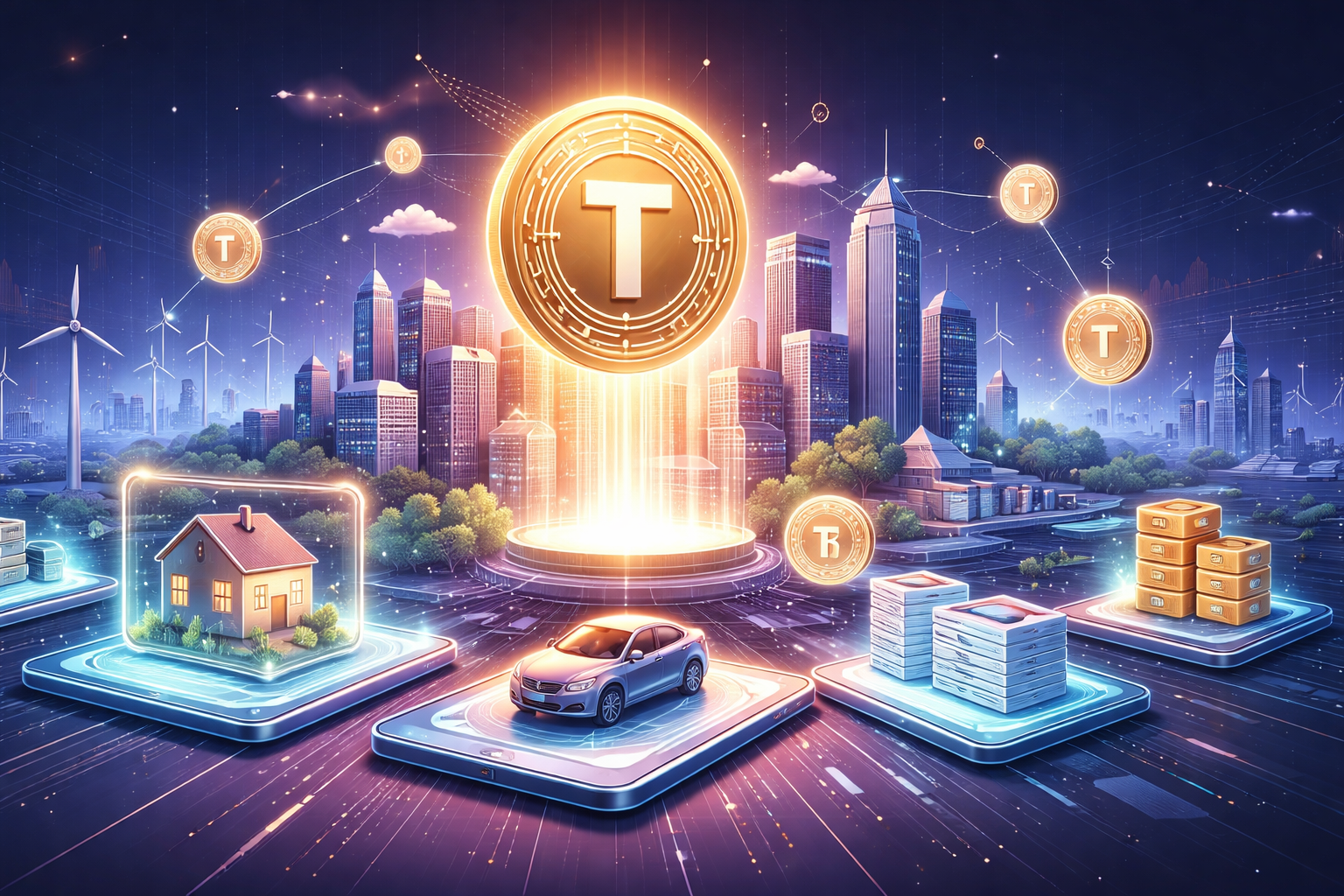
Real estate tokenization refers to the process of converting ownership rights in a property into digital tokens that can be traded, tracked, and managed on a blockchain. Each token represents a fractional share of a property or a portfolio of properties, allowing investors to participate without the need to acquire an entire asset. This blockchain-based approach leverages smart contracts, cryptographic security, and decentralized ledgers to simplify complex ownership structures while providing liquidity that was previously unavailable in traditional markets.
The key advantage of tokenization lies in its ability to digitize real-world assets while maintaining regulatory compliance. By representing property ownership through tokens, platforms allow investors to buy, sell, and manage assets efficiently, with automated reporting, streamlined dividend distribution, and precise ownership records. The integration of digital ledgers ensures every transaction is transparent, secure, and immutable, reducing operational friction and administrative burden.
Challenges in Managing Multi-Property Portfolios
Managing multiple real estate assets involves numerous challenges, which traditional methods struggle to address:
Administrative Complexity: Each property requires maintenance, rent collection, legal compliance, and bookkeeping. Managing these tasks for multiple properties can overwhelm investors, particularly small-to-medium portfolio owners.
Fragmented Ownership: Co-ownership arrangements and joint ventures are common, but traditional systems often lack transparency and rely on intermediaries, leading to delays and disputes.
Liquidity Constraints: Selling or transferring property shares traditionally involves lengthy processes, legal contracts, and broker fees, making it difficult to react quickly to market changes.
Data Discrepancies: Property information, such as occupancy rates, maintenance history, and financial performance, is often stored across multiple systems, making it hard to consolidate data for decision-making.
Regulatory Compliance: Ensuring adherence to local and international property regulations can be complex, particularly when portfolios span multiple jurisdictions.
Real estate tokenization platforms address these challenges by offering a unified, automated, and blockchain-powered system for portfolio management.
How Tokenization Platforms Simplify Portfolio Management
1. Fractional Ownership and Diversification
Tokenization enables fractional ownership, allowing investors to hold tokens representing portions of multiple properties rather than a single asset. This feature empowers investors to diversify their portfolios without requiring substantial capital outlay for each property.
For example, instead of purchasing a multi-million-dollar office building outright, an investor can buy tokens representing 5-10% of that building and simultaneously invest in residential, retail, or industrial properties. This diversification spreads risk and allows more agile portfolio adjustments.
2. Automated Asset Management Through Smart Contracts
Smart contracts are self-executing programs stored on a blockchain that automatically enforce rules and conditions. In real estate tokenization platforms, smart contracts handle tasks such as:
Rental Income Distribution: Rental income can be automatically calculated and distributed proportionally to token holders.
Property Maintenance Tracking: Maintenance requests and approvals can be logged and executed through the platform, with all actions recorded on the blockchain.
Transaction Settlements: Buying or selling property tokens can occur in real-time, eliminating traditional delays.
These automated functions reduce administrative workload, minimize human error, and ensure consistent, timely execution of asset management processes.
3. Enhanced Transparency and Data Consolidation
Blockchain technology provides a single source of truth for all property data. Each token transaction, maintenance record, and financial statement is securely stored and easily accessible by authorized stakeholders.
This consolidation allows investors to:
View real-time portfolio performance across multiple properties.
Track rental yields, occupancy rates, and maintenance expenditures efficiently.
Generate comprehensive financial reports for tax, compliance, or auditing purposes.
By centralizing data and offering dashboards with actionable insights, tokenization platforms empower investors to make informed decisions quickly, even with a complex, multi-property portfolio.
4. Simplified Liquidity and Trading
Traditionally, selling or transferring property ownership is time-consuming, often requiring lawyers, brokers, and significant paperwork. Real estate tokens, however, can be traded on digital asset marketplaces, allowing investors to liquidate or rebalance portfolios with relative ease.
This liquidity transformation is particularly advantageous for multi-property portfolios, as investors can:
Reallocate capital across properties based on performance or market trends.
Participate in secondary markets to sell tokens to other accredited investors.
Access fractional liquidity, where small amounts of tokens can be sold without divesting entire properties.
The result is a more dynamic investment experience with enhanced capital efficiency.
5. Streamlined Compliance and Reporting
Tokenization platforms often integrate regulatory compliance tools, ensuring that every transaction adheres to applicable laws. This includes features like Know Your Customer (KYC) verification, Anti-Money Laundering (AML) checks, and automated tax reporting.
For multi-property portfolios, this means investors no longer need to navigate complex compliance requirements manually. The platform maintains accurate records for regulatory authorities, reducing risk and legal exposure while improving operational efficiency.
6. Global Accessibility and Cross-Border Investments
Real estate tokenization platforms open up opportunities for international investment, enabling token holders from different countries to participate in portfolios without facing traditional cross-border barriers. Investors can:
Acquire tokens in global properties while benefiting from local management and oversight.
Access previously inaccessible real estate markets through fractional ownership.
Mitigate currency and jurisdictional risk via platform-integrated tools.
This global accessibility expands the potential investor base for multi-property portfolios and enhances liquidity.
7. Cost Efficiency and Reduced Intermediaries
Tokenization reduces reliance on intermediaries like brokers, lawyers, and property managers for every transaction or compliance check. By automating processes through smart contracts and blockchain verification, platforms lower administrative costs and transaction fees.
For investors managing multiple properties, the cumulative cost savings are substantial. Reduced overhead allows more capital to be allocated toward property acquisition, improvements, or portfolio expansion.
8. Portfolio Analytics and Predictive Insights
Many real estate tokenization platforms incorporate analytics tools powered by AI and big data, allowing investors to evaluate portfolio performance in real-time. Features include:
Predictive modeling for rental yields and property appreciation.
Risk assessment dashboards highlighting underperforming assets.
Market trend analysis for optimal buying, selling, or reinvestment strategies.
These insights help investors proactively manage their multi-property portfolios, reducing risk and maximizing returns.
Case Example: Multi-Property Portfolio Simplification
Consider an investor managing five properties: a commercial office, two residential buildings, an industrial warehouse, and a retail complex. Using a traditional setup, this investor would need multiple spreadsheets, software tools, and third-party services to track finances, tenants, maintenance, and compliance.
By migrating to a tokenization platform:
The investor can hold tokens representing each property in a unified digital wallet.
Rental income from all properties is automatically calculated and distributed.
Maintenance and repairs are tracked through the platform, with historical data stored on-chain.
Portfolio performance dashboards display key metrics like ROI, occupancy, and property value growth in real-time.
Tokens can be sold or reallocated to optimize portfolio returns without lengthy legal processes.
In essence, the platform transforms a fragmented, time-intensive process into a streamlined, automated, and highly transparent system.
Overcoming Limitations and Ensuring Adoption
While real estate tokenization platforms offer numerous benefits, adoption still faces some challenges:
Regulatory Complexity: Real estate laws vary widely by jurisdiction. Platforms must ensure that tokenized ownership complies with all local and international regulations.
Investor Education: Many investors are unfamiliar with blockchain and tokenization, requiring educational resources to encourage adoption.
Platform Security: Cybersecurity is critical, as digital tokens represent real financial value. Platforms must implement robust security protocols to prevent hacks and fraud.
Market Liquidity: Secondary markets for real estate tokens are still emerging, and liquidity may vary depending on property type and investor demand.
Despite these challenges, the benefits of simplified asset management, transparency, and global accessibility are driving increasing adoption across institutional and retail investors alike.
Future Prospects for Multi-Property Portfolio Management
The ongoing evolution of real estate tokenization is likely to further enhance multi-property management capabilities. Future developments may include:
Integration with IoT Devices: Smart buildings and sensors can feed real-time data into tokenization platforms, enabling predictive maintenance and energy optimization.
AI-Driven Portfolio Optimization: Machine learning algorithms could automatically suggest portfolio adjustments to maximize returns or minimize risk.
Enhanced Secondary Markets: As tokenized real estate gains traction, more robust and liquid marketplaces will emerge, facilitating instant transactions and cross-border investments.
Interoperability Across Platforms: Investors may eventually manage tokens from multiple platforms within a single dashboard, simplifying portfolio oversight further.
These advancements promise to make multi-property portfolios more accessible, manageable, and profitable than ever before.
Conclusion
Real estate tokenization platforms are redefining how investors approach multi-property portfolios. By converting ownership into digital tokens and leveraging blockchain technology, these platforms simplify asset management, improve transparency, reduce costs, and provide liquidity that traditional methods cannot match.
Investors can benefit from fractional ownership, automated income distribution, unified reporting, global accessibility, and AI-driven insights, all within a secure and compliant environment. As tokenization continues to mature, the management of multi-property portfolios will become more efficient, data-driven, and globally interconnected, heralding a new era in real estate investment.

















Write a comment ...