
Funding large-scale commercial projects has traditionally posed significant challenges for developers. Whether it’s constructing office complexes, industrial warehouses, or mixed-use developments, securing the necessary capital often involves negotiating with banks, private equity firms, or institutional investors. These traditional methods can be slow, costly, and restrictive, limiting both the developer’s flexibility and the investor’s participation.
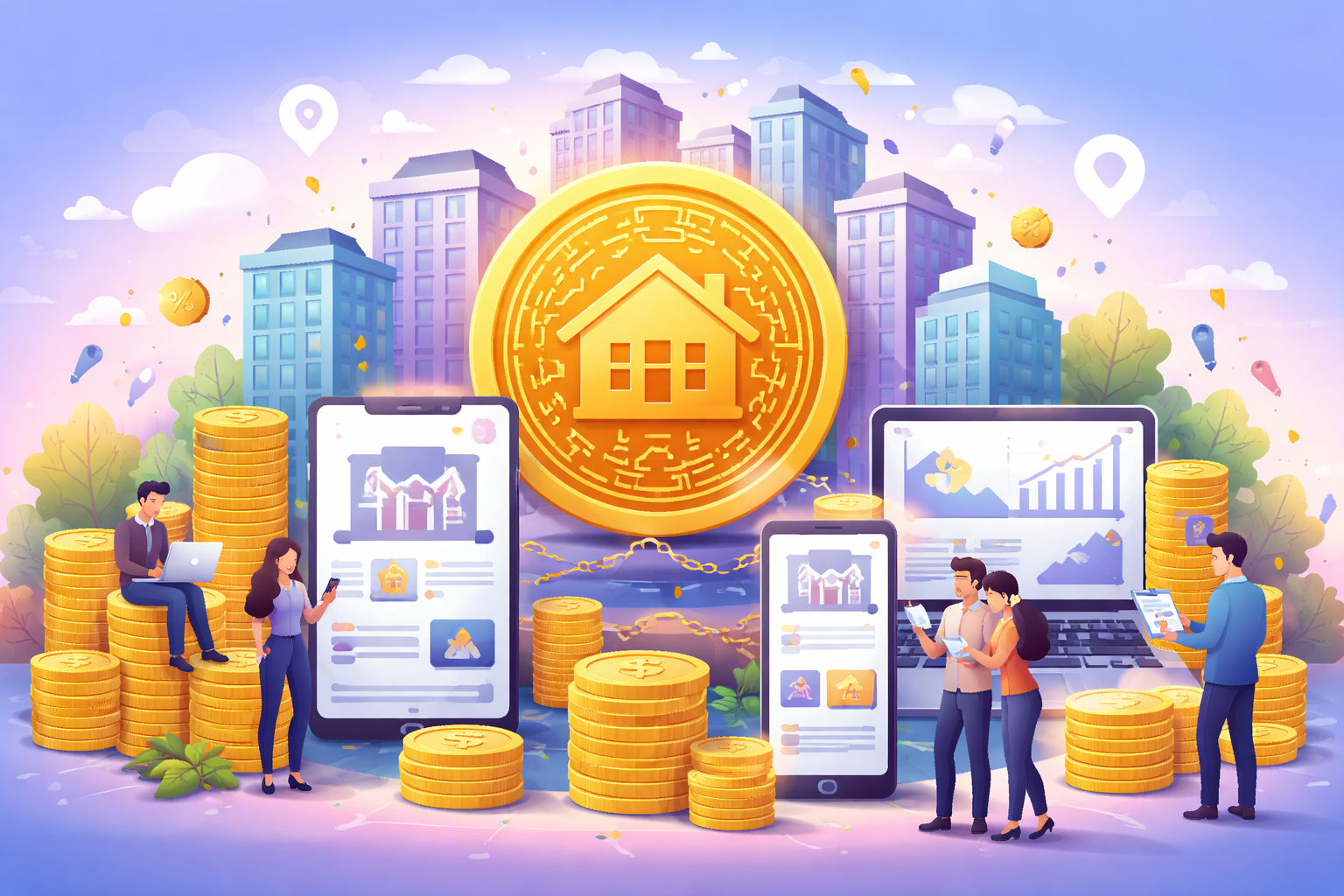
Real-world asset (RWA) tokenization is emerging as a powerful alternative, enabling developers to digitally represent ownership in their projects through blockchain-based tokens. This approach allows developers to fractionalize commercial real estate assets, attract a global investor base, and raise capital more efficiently while maintaining transparency and liquidity. By combining the benefits of blockchain with traditional real estate investment, RWA tokenization is reshaping commercial project financing.
In this blog, we explore how developers can leverage tokenization to raise capital, the benefits for investors, and the key considerations for launching tokenized commercial projects.
What is Real World Asset Tokenization?
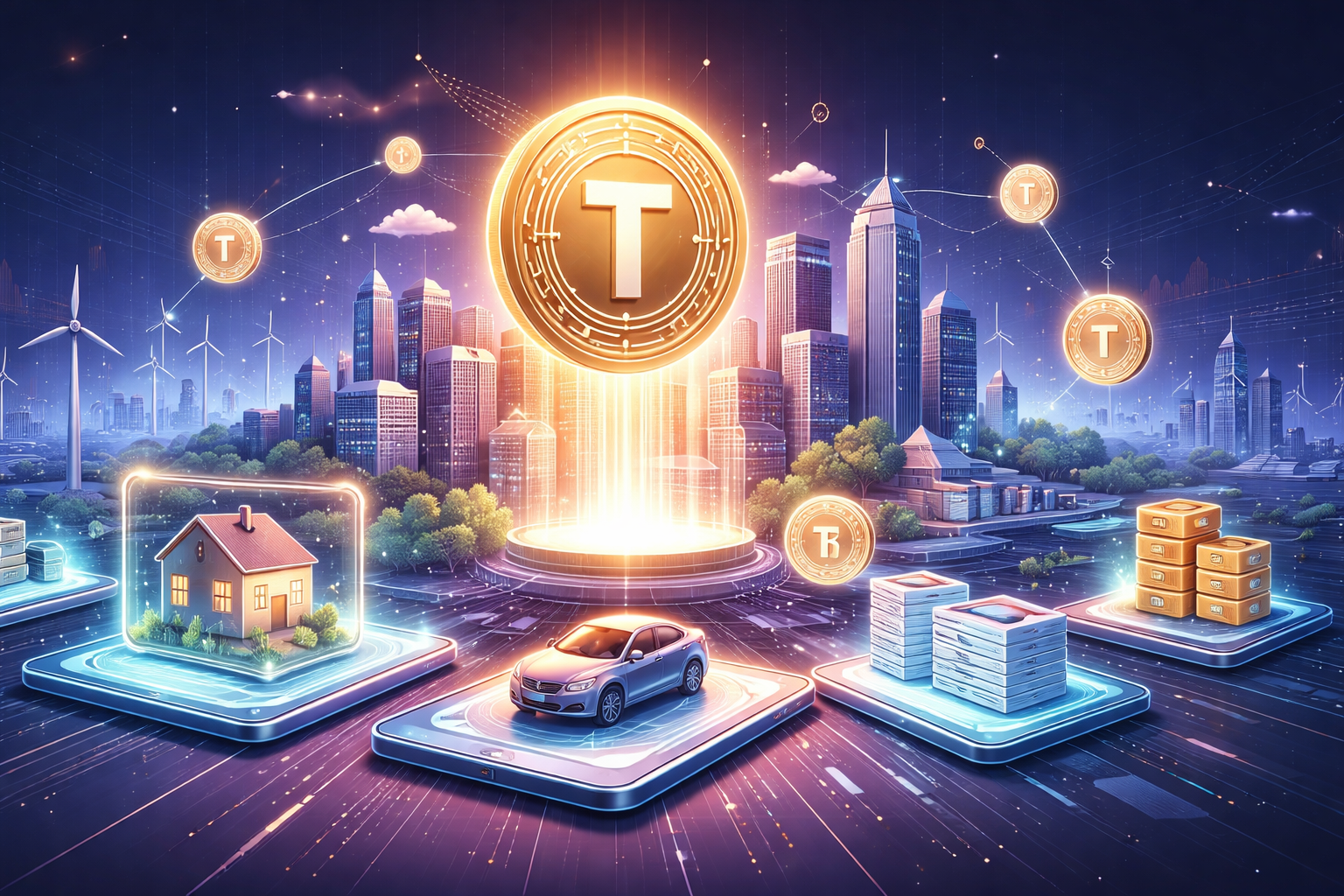
RWA tokenization is the process of converting physical or real-world assets, such as real estate, infrastructure, or commodities, into digital tokens on a blockchain. Each token represents ownership or a share of the underlying asset. Investors can buy, hold, and trade these tokens, which are backed by actual assets with intrinsic value.
For commercial real estate developers, tokenization transforms illiquid properties into tradable digital assets, unlocking new funding models and democratizing access to investment opportunities.
Key features of RWA tokenization include:
Fractional Ownership: Large assets can be divided into multiple digital tokens, allowing multiple investors to participate.
Blockchain Transparency: Ownership and transaction history are recorded on an immutable ledger, reducing fraud and disputes.
Global Access: Investors from around the world can participate without intermediaries or geographical restrictions.
Liquidity: Tokenized assets can be traded on secondary markets, providing investors with an exit strategy and developers with easier access to capital.
Why Developers Need Innovative Financing Solutions
Large-scale commercial projects often require hundreds of millions of dollars in upfront investment. Traditional funding avenues, while reliable, have notable limitations:
Bank Financing: Banks impose strict credit requirements, long approval cycles, and collateral demands, which can slow down project execution.
Private Equity and Institutional Funding: While capable of raising large sums, these investors often require high returns and extensive control over the project, reducing developer flexibility.
Limited Investor Base: Traditional financing often restricts participation to accredited investors, excluding smaller investors and reducing the total capital pool.
RWA tokenization addresses these challenges by broadening access to investors, reducing reliance on intermediaries, and enabling flexible fundraising models.
How RWA Tokenization Helps Raise Capital for Commercial Projects
1. Fractionalizing High-Value Assets
Tokenization allows developers to divide a large commercial property into hundreds or thousands of digital tokens. For example, a $100 million office complex could be tokenized into 100,000 tokens worth $1,000 each.
Benefits:
Enables participation from smaller investors, not just institutions.
Reduces the dependency on a few large financiers.
Creates a diversified investor base, mitigating funding risk.
2. Access to a Global Investor Base
Blockchain-based tokenization platforms are borderless, allowing developers to attract investors from different countries. Unlike traditional funding channels that may be limited by geography or regulatory barriers, tokenization platforms provide:
24/7 access to investors globally
Online marketplaces for trading tokens
Increased capital inflow potential from international participants
3. Faster Capital Raising
Tokenization automates many aspects of investment management using smart contracts, including token issuance, dividend distribution, and ownership transfers. This reduces administrative delays and allows developers to raise funds faster than traditional methods.
Smart contracts also provide automatic enforcement of investment agreements, reducing legal overhead and enabling seamless capital deployment once funding goals are reached.
4. Enhancing Liquidity for Investors
A significant challenge for commercial real estate is illiquidity. Traditional investors may need to hold assets for years before exiting. Tokenization addresses this by enabling:
Secondary Market Trading: Investors can buy and sell tokens on regulated or decentralized marketplaces.
Fractional Liquidity: Even small portions of the property can be traded without affecting the entire asset.
Attracting More Investors: The promise of liquidity incentivizes investors who may otherwise avoid long-term commitments.
5. Reducing Costs and Administrative Burden
Tokenization reduces reliance on intermediaries such as brokers, custodians, and transfer agents. Using blockchain to manage ownership and transactions:
Cuts administrative costs
Minimizes errors in property records
Streamlines capital allocation
Ensures transparent, verifiable reporting for investors
6. Flexible Funding Models
Developers can leverage RWA tokenization for different funding strategies:
Equity Tokenization: Investors own a share of the commercial property and receive rental income or profit distributions.
Debt Tokenization: Developers issue tokens representing debt instruments backed by the property, paying interest over time.
Hybrid Models: Combining debt and equity tokens for optimized fundraising.
This flexibility allows developers to structure capital raises that align with project timelines, investor preferences, and market conditions.
Steps for Developers to Launch a Tokenized Commercial Project
Step 1: Define the Asset and Tokenization Model
Begin by identifying the commercial property you intend to tokenize. Decide the type of token to issue—equity, debt, or a hybrid structure—based on your funding and investor goals. Conduct a thorough property valuation, estimate projected cash flows, and determine expected returns for investors. A well-defined model sets a strong foundation for both regulatory compliance and investor confidence.
Step 2: Select Blockchain Infrastructure
Choose a blockchain platform that supports smart contract deployment, secure token issuance, and fractional ownership. Popular options include Ethereum, Polygon, and Solana. Evaluate transaction fees, network scalability, and compatibility with regulatory requirements. The chosen infrastructure should ensure smooth operations and a scalable environment for future tokenized projects.
Step 3: Legal Structuring and Compliance
Collaborate with legal experts to structure the token in accordance with:
Securities regulations relevant to your jurisdiction
KYC/AML compliance standards
Property ownership and registration requirements
Legal compliance is crucial to prevent disputes, protect investors, and maintain the credibility of your tokenized project.
Step 4: Develop Smart Contracts
Design secure smart contracts to automate key functions, including token issuance, dividend or interest distributions, ownership transfers, and voting rights (if applicable). Conduct comprehensive smart contract audits to mitigate risks of hacks, bugs, or vulnerabilities. Reliable smart contracts ensure trust and transparency for investors.
Step 5: Launch Token Offering
Promote the tokenized asset to potential investors through online platforms, marketplaces, institutional partners, and global investor networks. Provide clear and transparent information on the property, investment terms, and projected returns. A well-executed token launch helps attract credible investors and establishes market credibility.
Step 6: Manage Investor Relations
Maintain ongoing communication and reporting to investors, including updates on project progress, rental income, and token performance. Smart contracts can automate dividend payments, interest distribution, and voting processes, offering a seamless and efficient experience for token holders.
Step 7: Enable Secondary Market Trading
Facilitate trading of tokens on secondary marketplaces to provide liquidity for investors. Secondary trading not only enhances the attractiveness of the token but also helps gauge investor interest for future tokenized projects. A liquid secondary market can significantly increase the long-term success of your tokenized asset.
Advantages for Developers
Expanded Capital Access: Developers can tap into global investors and small-scale participants.
Faster Fundraising: Automated processes and blockchain transparency accelerate capital raising.
Cost Reduction: Lower administrative and intermediary fees compared to traditional funding methods.
Enhanced Transparency: Blockchain records increase investor confidence and reduce disputes.
Project Scalability: Tokenization allows developers to raise capital for multiple projects simultaneously.
Benefits for Investors
Fractional Ownership: Allows participation in high-value commercial assets without significant capital.
Liquidity: Tokens can be traded on secondary markets.
Transparency: Blockchain ensures verifiable ownership and transaction history.
Global Access: Investors can diversify across markets worldwide.
Automated Returns: Smart contracts facilitate automated dividend or interest payments.
Challenges and Considerations
While RWA tokenization offers many benefits, developers must be aware of potential challenges:
Regulatory Compliance: Navigating different legal frameworks is complex.
Market Adoption: Investors may require education on tokenized assets.
Valuation Accuracy: Accurate property valuation is crucial for token pricing.
Technology Integration: Choosing a secure and scalable blockchain infrastructure is essential.
Addressing these challenges requires careful planning, legal consultation, and collaboration with experienced tokenization service providers.
Conclusion
Real-world asset tokenization is transforming how developers raise capital for large-scale commercial projects. By digitizing ownership and fractionalizing high-value assets, developers can attract a global investor base, improve liquidity, reduce costs, and accelerate fundraising. Tokenization not only democratizes access to commercial real estate but also enables more transparent and efficient capital markets.
As blockchain adoption grows and regulatory frameworks evolve, RWA tokenization will become an essential tool for commercial project developers, allowing them to execute larger and more ambitious projects while engaging a wider pool of investors.















Write a comment ...