
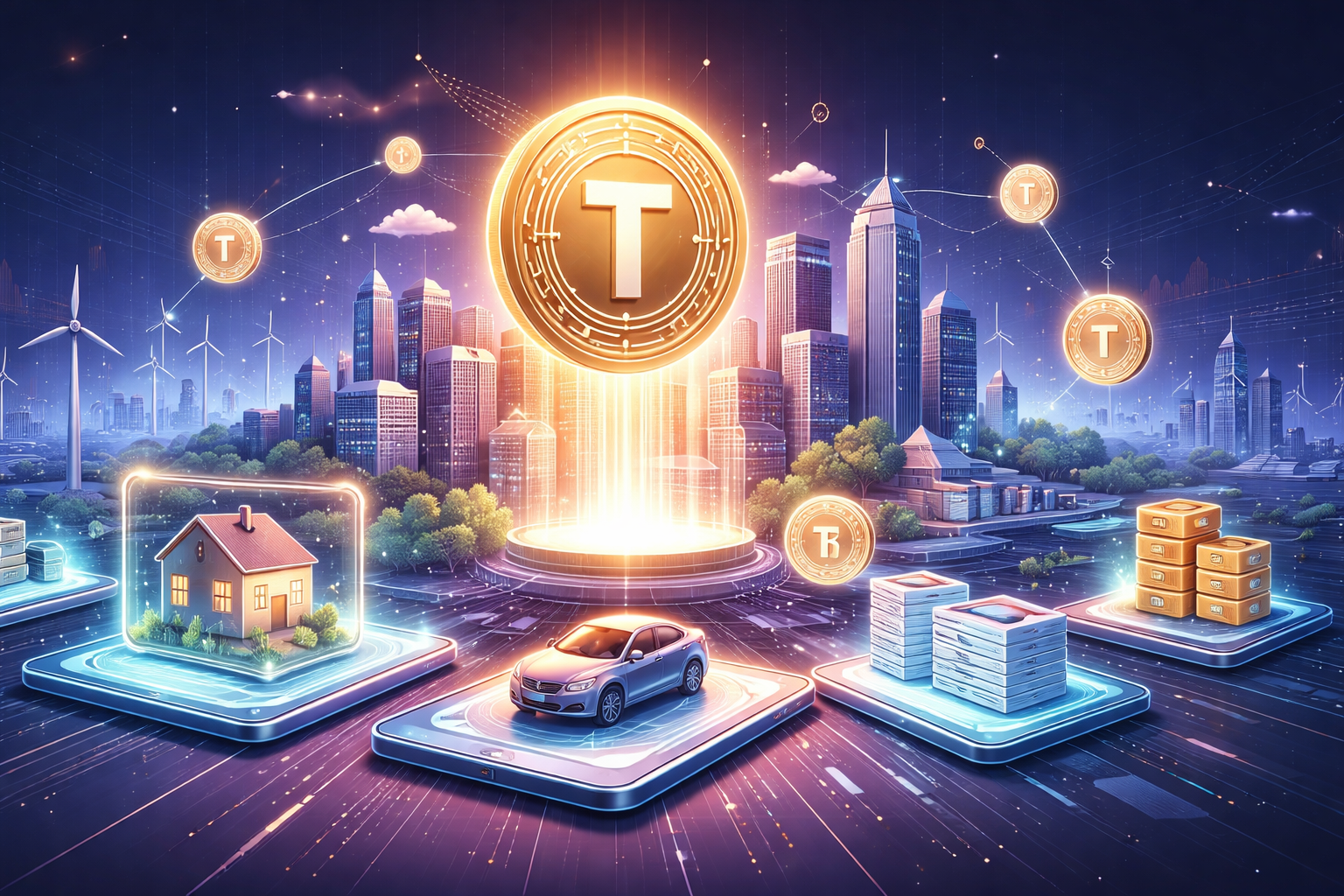
In recent years, the concept of tokenization has transformed traditional investment paradigms, particularly in the commercial and industrial sectors. Tokenization refers to converting ownership rights of real-world assets into digital tokens on a blockchain. These tokens can represent fractional ownership, revenue rights, or other financial entitlements, opening up investment opportunities to a wider audience. Commercial and industrial assets, such as office buildings, warehouses, factories, and logistics centers, have historically been illiquid and accessible primarily to institutional investors. By leveraging tokenization, these assets can be made more liquid, transparent, and globally investable, allowing both retail and institutional investors to participate in markets that were previously restricted.
Understanding Tokenization in Commercial and Industrial Real Estate
Tokenization of commercial and industrial assets is fundamentally different from traditional real estate investment. While conventional investments typically involve purchasing entire properties or investing through private funds, tokenization enables fractional ownership through digital tokens. These tokens are stored and transferred on a blockchain, ensuring immutability, transparency, and security. Each token can represent a specific percentage of the asset, a share in rental income, or even future appreciation.
This approach provides several advantages. Firstly, it allows for liquidity in otherwise illiquid markets. Investors can trade tokens on secondary markets without the need for lengthy property sale procedures. Secondly, tokenization introduces efficiency and cost savings by automating administrative and compliance processes through smart contracts. Thirdly, it democratizes access, enabling smaller investors to participate in high-value commercial or industrial properties without committing to entire asset purchases.
Steps to Tokenize Commercial and Industrial Assets
Asset Tokenizing a commercial or industrial asset involves multiple stages, each requiring careful planning and regulatory compliance. These stages include asset selection, legal structuring, token design, platform integration, and investor engagement.
1. Asset Selection and Valuation
The first step in real world asset tokenization is selecting the right asset. Not all commercial or industrial properties are ideal candidates. Investors and developers should consider properties with stable cash flows, strong tenant demand, and clear ownership structures. Industrial assets, such as warehouses, manufacturing facilities, and distribution centers, are particularly attractive because they often have long-term lease agreements and predictable income streams.
A critical aspect of this phase is accurate valuation. Independent appraisals and market analyses ensure that the tokenized asset reflects its true market value. The valuation process must consider factors such as location, operational efficiency, tenant stability, and potential for future appreciation. A transparent and credible valuation is essential for building investor trust, particularly when fractional ownership is involved.
2. Legal Structuring and Compliance
Tokenizing real-world assets requires navigating complex legal and regulatory frameworks. Depending on the jurisdiction, tokenized assets may be classified as securities, and compliance with local securities laws is mandatory. Legal structuring often involves establishing a Special Purpose Vehicle (SPV) or a trust to hold the asset. The SPV then issues tokens representing ownership or profit-sharing rights.
Smart contracts can encode the rights and obligations of token holders, including dividends, voting rights, or exit strategies. Legal counsel should ensure that these contracts comply with all applicable regulations, including Anti-Money Laundering (AML) and Know Your Customer (KYC) requirements. Additionally, clarity in investor agreements is critical to prevent disputes regarding governance, revenue sharing, or asset liquidation.
3. Token Design and Structure
The next stage is designing the digital token. Decisions must be made regarding the type of token, supply structure, and rights attached to it. Utility tokens, security tokens, and hybrid tokens are common options in asset tokenization. Security tokens, which represent fractional ownership and revenue rights, are most suitable for commercial and industrial assets, as they provide investors with legally enforceable rights.
Tokenomics—the economic design of the token—is also critical. Factors such as total supply, pricing per token, dividend structure, and mechanisms for secondary market trading should be clearly defined. Some tokens may offer passive income derived from rental payments, while others may focus on capital appreciation from future asset sales. The structure should balance investor attractiveness with long-term sustainability of the asset.
4. Platform Selection and Blockchain Integration
Choosing the right blockchain platform is crucial for the success of a tokenization project. Platforms such as Ethereum, Solana, Tezos, and Polygon are popular for security token offerings due to their smart contract capabilities and robust ecosystems. The chosen platform must support compliance features, secondary trading, and token management functions.
Integration with tokenization platforms or white-label solutions can streamline the process. These platforms provide end-to-end services, including KYC/AML compliance, smart contract deployment, asset custody, and investor onboarding. Leveraging such platforms reduces technical complexity and accelerates market entry. Additionally, blockchain integration ensures transparency, traceability, and auditability of transactions, which are critical for institutional and retail investor confidence.
5. Investor Engagement and Fundraising
Once the tokenized asset is ready, the next step is engaging investors. Tokenized commercial and industrial assets appeal to both retail and institutional investors seeking exposure to real estate without the limitations of traditional ownership. Effective investor engagement involves educating potential participants about the asset, its revenue potential, risk factors, and token mechanics.
Marketing and outreach strategies should be compliant with regulations while highlighting the advantages of tokenization, such as fractional ownership, liquidity, and transparency. Fundraising can occur through private placements, public offerings, or a combination, depending on regulatory constraints and the target investor profile. Secondary markets for token trading further enhance investor confidence by offering exit options before the asset is liquidated.
Benefits of Tokenizing Commercial and Industrial Assets
Tokenization offers multiple advantages that traditional investment methods cannot match. These benefits include:
1. Liquidity Enhancement
One of the primary challenges of commercial and industrial assets is their illiquidity. Tokenization transforms these assets into tradable digital securities, allowing investors to buy and sell fractions of an asset quickly. This liquidity reduces barriers to entry and exit, attracting a broader investor base and facilitating price discovery in secondary markets.
2. Fractional Ownership and Democratization
Tokenization allows investors to own fractions of high-value assets, lowering the investment threshold. For example, instead of purchasing an entire industrial warehouse, an investor can buy a token representing a small percentage of the property. This democratization opens access to global capital and enables smaller investors to participate in commercial and industrial real estate markets.
3. Transparency and Security
Blockchain technology ensures that all token transactions are immutable and traceable. Investors can verify ownership, track rental income distribution, and monitor asset performance in real time. Smart contracts automate payments, compliance checks, and governance functions, reducing operational risk and enhancing security.
4. Cost and Efficiency Advantages
Traditional real estate investments often involve high administrative costs, intermediaries, and lengthy settlement processes. Tokenization automates many of these functions, significantly reducing costs and operational complexity. For example, rental income can be automatically distributed to token holders via smart contracts, eliminating manual reconciliation and potential delays.
5. Global Investment Access
Tokenized assets can be marketed to investors worldwide, bypassing geographical restrictions and traditional intermediaries. This global access attracts diverse capital sources and increases the likelihood of faster fundraising. Investors can participate in industrial or commercial property markets in different countries without physically managing the asset.
Use Cases of Tokenized Commercial and Industrial Assets
Several practical use cases highlight how tokenization benefits different types of commercial and industrial assets.
1. Office Buildings
Large office complexes often have multiple tenants and generate steady rental income. Tokenization allows investors to acquire fractional ownership and receive proportional rental income. Moreover, the liquidity of tokens ensures investors can adjust their holdings without waiting for the property to sell.
2. Warehouses and Logistics Centers
Warehouses and distribution facilities are increasingly valuable due to e-commerce growth. Tokenizing these assets enables fractional investment and provides liquidity to institutional investors and supply chain companies seeking exposure to real estate. Tokens can also be linked to operational metrics, such as occupancy rates or throughput, offering data-driven investment insights.
3. Industrial Manufacturing Facilities
Factories and production facilities typically require substantial capital investment. Tokenization allows investors to fund expansions or acquisitions while receiving a share of operational profits. Smart contracts can automate profit distribution, reducing administrative overhead and enhancing transparency.
4. Mixed-Use Industrial Parks
Industrial parks combining logistics, manufacturing, and commercial offices can benefit from tokenization by attracting diverse investor types. Fractional ownership enables participation from smaller investors while providing institutions with exposure to large-scale developments. Tokenized revenue streams can be linked to rent, utilities, and ancillary services, ensuring a structured return.
Challenges and Considerations
Despite its advantages, tokenizing commercial and industrial assets presents challenges.
1. Regulatory Complexity
Different jurisdictions have varied regulations regarding security tokens. Navigating these rules requires expert legal guidance and careful structuring to ensure compliance with securities laws, tax obligations, and reporting requirements.
2. Valuation and Market Risks
Accurate asset valuation is critical for investor confidence. Tokenized assets are still subject to market volatility, operational risks, and tenant defaults. Clear communication of risk factors is essential for transparency.
3. Technological and Security Risks
Blockchain technology offers enhanced security, but vulnerabilities in smart contracts, platforms, or wallets can expose investors to risk. Choosing reliable platforms, conducting audits, and implementing robust cybersecurity measures are necessary safeguards.
4. Adoption and Education
Tokenization is still an emerging concept, and investor education is crucial. Clear communication about ownership rights, income distribution, trading mechanisms, and exit strategies ensures investor trust and adoption.
The Future of Tokenized Industrial and Commercial Investments
The tokenization of commercial and industrial assets is poised to grow as technology matures and regulatory clarity improves. Hybrid models, combining traditional ownership with blockchain-based tokens, are emerging, offering investors flexible options. Institutions, including banks, real estate funds, and logistics companies, are increasingly exploring tokenization to unlock liquidity, diversify capital sources, and streamline operations.
Moreover, integration with decentralized finance (DeFi) platforms can create additional investment opportunities, such as token-backed lending, collateralized borrowing, and yield-generating strategies. As more investors embrace digital assets, tokenized commercial and industrial properties are likely to become mainstream investment vehicles, redefining global real estate markets.
Conclusion
Turning commercial and industrial assets into tokenized investment opportunities represents a significant evolution in real estate finance. Tokenization provides liquidity, fractional ownership, transparency, and cost efficiency, making previously inaccessible markets available to a wider pool of investors. By following structured steps—asset selection, legal compliance, token design, platform integration, and investor engagement—organizations can unlock capital, attract global investment, and streamline operational processes.
As technology, regulation, and market adoption converge, tokenized commercial and industrial assets are set to become a cornerstone of modern investment strategies. Investors and developers who embrace this paradigm early will benefit from enhanced access, efficiency, and scalability, paving the way for a more democratized and liquid real estate market worldwide.


















Write a comment ...