
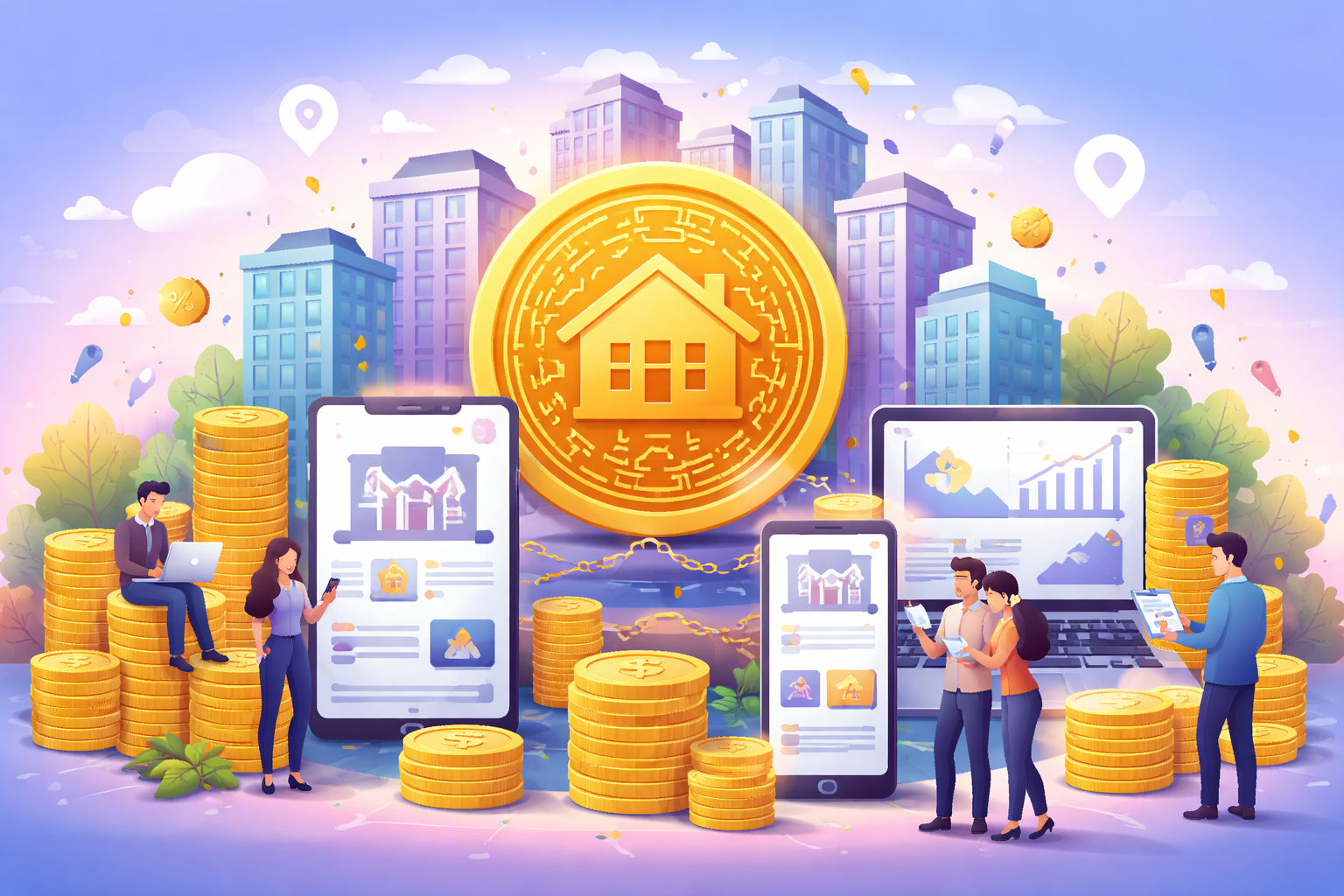
The concept of real estate crowdfunding is not new, but it is undergoing a revolutionary transformation with the introduction of tokenization. Tokenized real estate crowdfunding is paving the way for greater financial inclusion by enabling everyday investors to access high-value properties that were previously reserved for the wealthy or institutional investors. With the power of blockchain technology, the landscape of real estate investment is evolving, making it more accessible, transparent, and efficient.
In this blog, we’ll explore how tokenized real estate crowdfunding works, the benefits it offers, and how it is democratizing access to some of the world’s most lucrative real estate markets.
What is Tokenized Real Estate Crowdfunding?
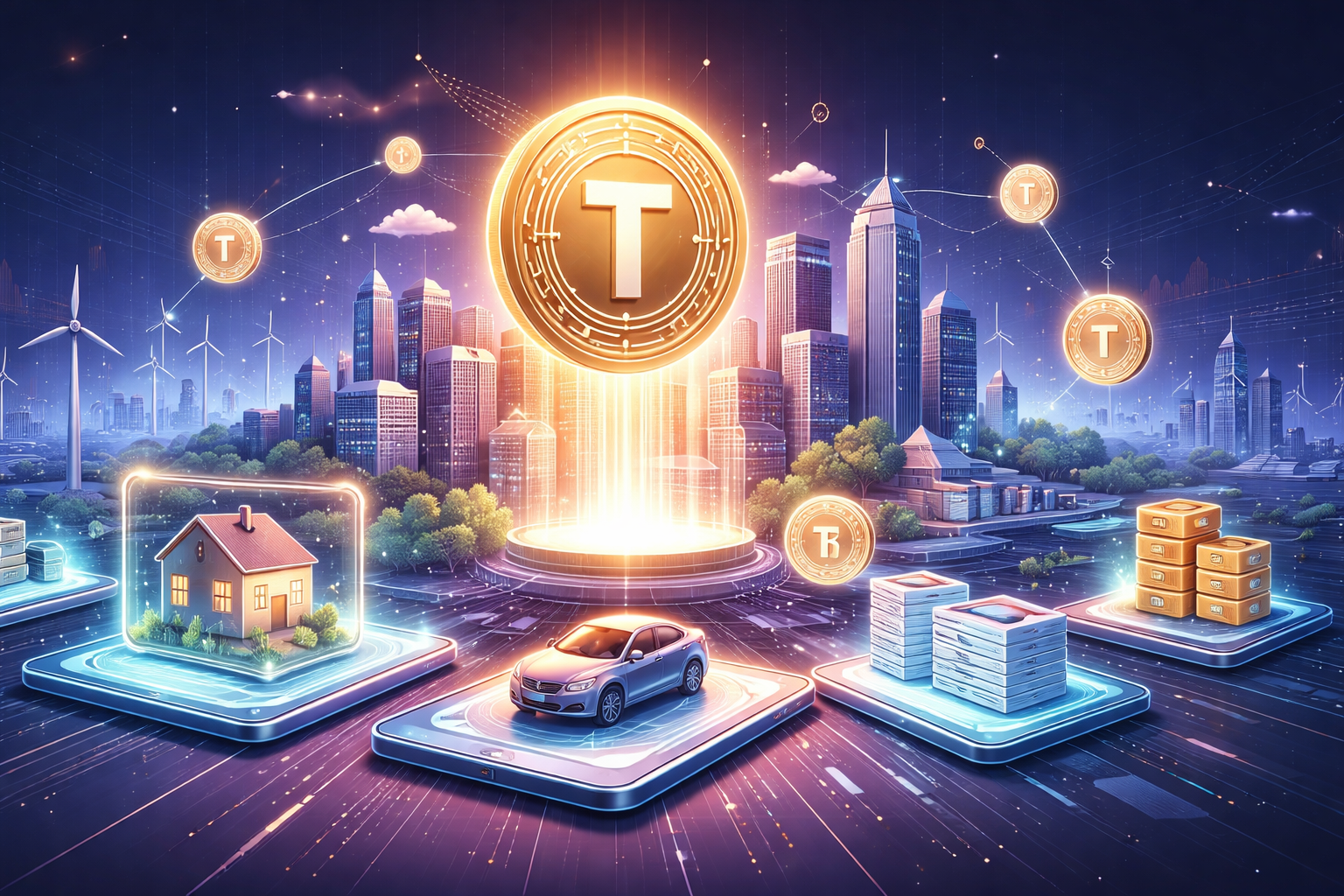
Traditional real estate investment typically requires large sums of money, which has traditionally limited the participation of everyday individuals. Tokenization is the process of converting ownership of a real estate asset into digital tokens on a blockchain, which can represent a fraction of the property. These tokens can then be bought, sold, or traded on decentralized platforms, allowing investors to hold shares in real estate assets in a fraction of the time, cost, and complexity associated with traditional real estate transactions.
Real estate crowdfunding platforms have long allowed multiple investors to pool their funds together to invest in properties, but tokenization goes a step further by enabling fractional ownership through the use of blockchain-based tokens. Each token represents a specific share of ownership, giving investors a stake in high-value real estate properties, regardless of their budget.
How Does Tokenized Real Estate Crowdfunding Work?
Tokenized real estate crowdfunding works by issuing digital tokens that represent a share of a real estate asset. Here’s how the process typically works:
1. Tokenization of a Property
The property in question—whether residential, commercial, or industrial—is evaluated, appraised, and then tokenized by dividing its value into smaller, tradable units (tokens). For example, if a $10 million property is tokenized into 10,000 tokens, each token would represent a 1/10,000 share in the asset. These tokens are stored and managed on the blockchain.
2. Investors Purchase Tokens
Individuals can then purchase these tokens through a crowdfunding platform. Unlike traditional real estate investments, which require large capital outlays, investors can now purchase tokens for as little as a few hundred or thousand dollars, depending on the value of the property and the fractional share they want to own.
3. Dividend Distribution and Asset Liquidity
Token holders may receive income from the property, such as rental income or capital appreciation when the property is sold. These payments are distributed directly to token holders via smart contracts, ensuring transparency and efficiency. Additionally, tokens can be traded on secondary markets, giving investors liquidity and the ability to exit their positions before the asset is sold.
4. Blockchain for Transparency and Security
The entire process is built on a blockchain, which offers transparency, security, and immutability. All transactions and token ownership are recorded on the blockchain, ensuring that each investor’s share of ownership is transparent and verifiable. Blockchain also minimizes fraud and reduces the need for intermediaries, lowering transaction costs.
Benefits of Tokenized Real Estate Crowdfunding
Tokenized real estate crowdfunding offers several key benefits for investors, property owners, and the broader real estate market.
1. Lower Barriers to Entry
One of the primary ways that tokenized real estate crowdfunding democratizes access is by lowering the barriers to entry. Traditional real estate investments require substantial capital, often in the six-figure range for residential properties or more for commercial ventures. Tokenization allows anyone, regardless of their financial status, to participate in high-value real estate projects with small investments. By owning a fraction of a property, investors can enter markets previously inaccessible to them.
2. Fractional Ownership
Tokenization allows for fractional ownership, which means that instead of having to invest in an entire property, investors can purchase smaller, more affordable stakes. For example, a $1 million commercial property could be split into 1,000 tokens, and an investor could buy just one or several of those tokens for a fraction of the cost. This reduces the financial burden of ownership while still providing access to the potential upside of the asset.
3. Liquidity and Flexibility
Real estate has long been criticized for its lack of liquidity, with investors typically having to wait years for a return on investment through rent or property sale. With tokenized real estate, investors can trade their tokens on secondary markets, thus providing liquidity and the ability to exit positions more easily. This creates a flexible investment environment, where investors can buy and sell their stakes without waiting for long-term property sales or rental income cycles.
4. Increased Transparency and Security
The use of blockchain technology in tokenized real estate crowdfunding ensures that all transactions are recorded and accessible to all parties involved. Investors can track the history of the property, ownership changes, and income distribution in real time. Blockchain also eliminates the need for intermediaries, reducing the potential for fraud, errors, or delays in the transaction process.
5. Access to Global Markets
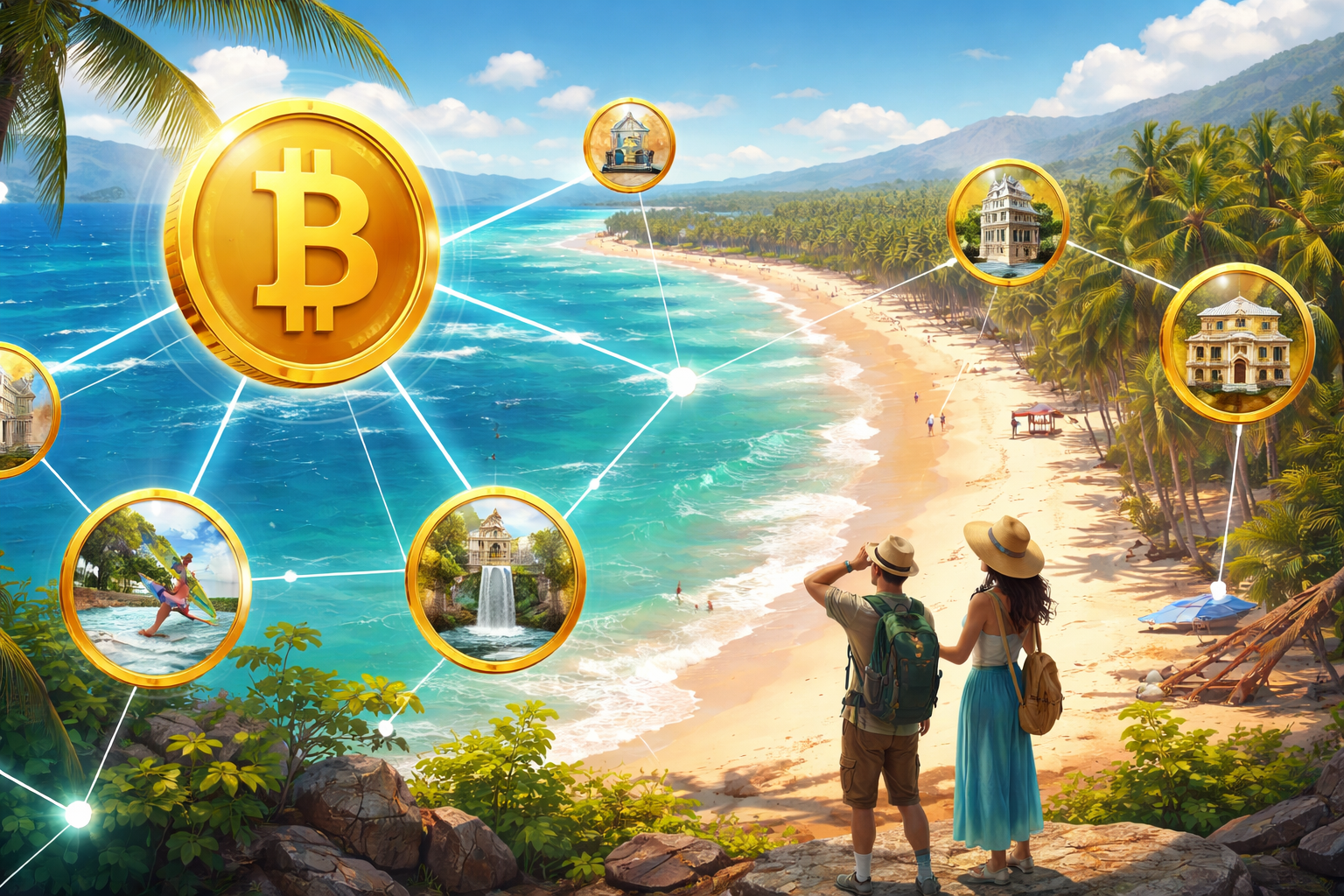
Tokenized real estate crowdfunding platforms are borderless, meaning that individuals from anywhere in the world can participate in property investments. Traditionally, real estate investments were limited by geographic location and required investors to have access to local knowledge and networks. With tokenization, anyone with an internet connection can invest in real estate across the globe, further expanding opportunities for diversified portfolios.
6. Diversification of Investment Portfolios
Investing in real estate through tokenization allows individuals to diversify their investment portfolios with low initial capital. Investors can purchase fractions of multiple properties rather than committing to one large asset. This means a diversified approach to real estate, enabling exposure to different asset types (residential, commercial, industrial) and geographical locations.
How Tokenized Real Estate Crowdfunding Benefits Property Owners and Developers
Tokenized crowdfunding does not only benefit investors but also offers significant advantages to property developers and owners:
1. Access to Capital
Property owners and developers can use tokenized crowdfunding to raise capital for projects without relying on traditional financing channels like banks or venture capitalists. This is especially useful for projects that may be too small or too risky for traditional investors. By offering fractional ownership of the property, they can tap into a broader pool of investors, thus reducing reliance on large institutional investors.
2. Global Investor Pool
The tokenization process opens up the ability to attract investors from around the world, who can easily participate without the need for complex legal frameworks or cross-border transaction barriers. This provides developers with access to a much broader capital pool than local financing options alone.
3. Streamlined Transactions
Tokenized real estate crowdfunding platforms automate many of the manual processes typically involved in raising funds, such as capital raising, distribution of profits, and record-keeping. Smart contracts simplify these processes, ensuring that property owners can focus on developing and managing their properties rather than handling complex administrative tasks.
4. Faster Transactions and Lower Fees
The use of blockchain technology reduces the need for intermediaries such as banks, title companies, and lawyers. This streamlines transactions, reduces costs, and enables faster execution, meaning developers can raise capital and close deals quicker than traditional methods would allow.
Challenges of Tokenized Real Estate Crowdfunding
While the benefits are significant, tokenized real estate crowdfunding also faces some challenges:
1. Regulatory Uncertainty
Real estate tokenization platforms must comply with varying local regulations, especially when it comes to securities laws and investor protection. Some jurisdictions are still developing frameworks for blockchain-based financial products, and unclear regulations may pose hurdles for developers and investors.
2. Liquidity Risk
Although tokenized real estate crowdfunding offers the promise of liquidity, the secondary markets for tokenized assets are still developing. Low liquidity on these exchanges can make it difficult for investors to exit positions quickly, especially in niche markets or illiquid properties.
3. Technology and Adoption Barriers
Widespread adoption of tokenized real estate crowdfunding requires education and trust-building. Many traditional real estate investors may be hesitant to move away from established methods and embrace blockchain technology. Overcoming the skepticism surrounding digital tokens and blockchain-based transactions is crucial to the success of tokenized crowdfunding platforms.
Conclusion
Tokenized real estate crowdfunding is a revolutionary model that democratizes access to high-value properties, enabling smaller investors to participate in lucrative real estate markets. By breaking down the barriers to entry, providing fractional ownership, and increasing transparency, tokenization offers a unique opportunity to transform the real estate investment landscape. While challenges like regulatory uncertainty and liquidity risks exist, the potential for financial inclusion and the evolution of real estate markets is immense.
As technology continues to mature and regulations become clearer, tokenized real estate crowdfunding platforms have the potential to completely reshape the way we invest in property—making real estate more accessible, transparent, and efficient for everyone.

















Write a comment ...