
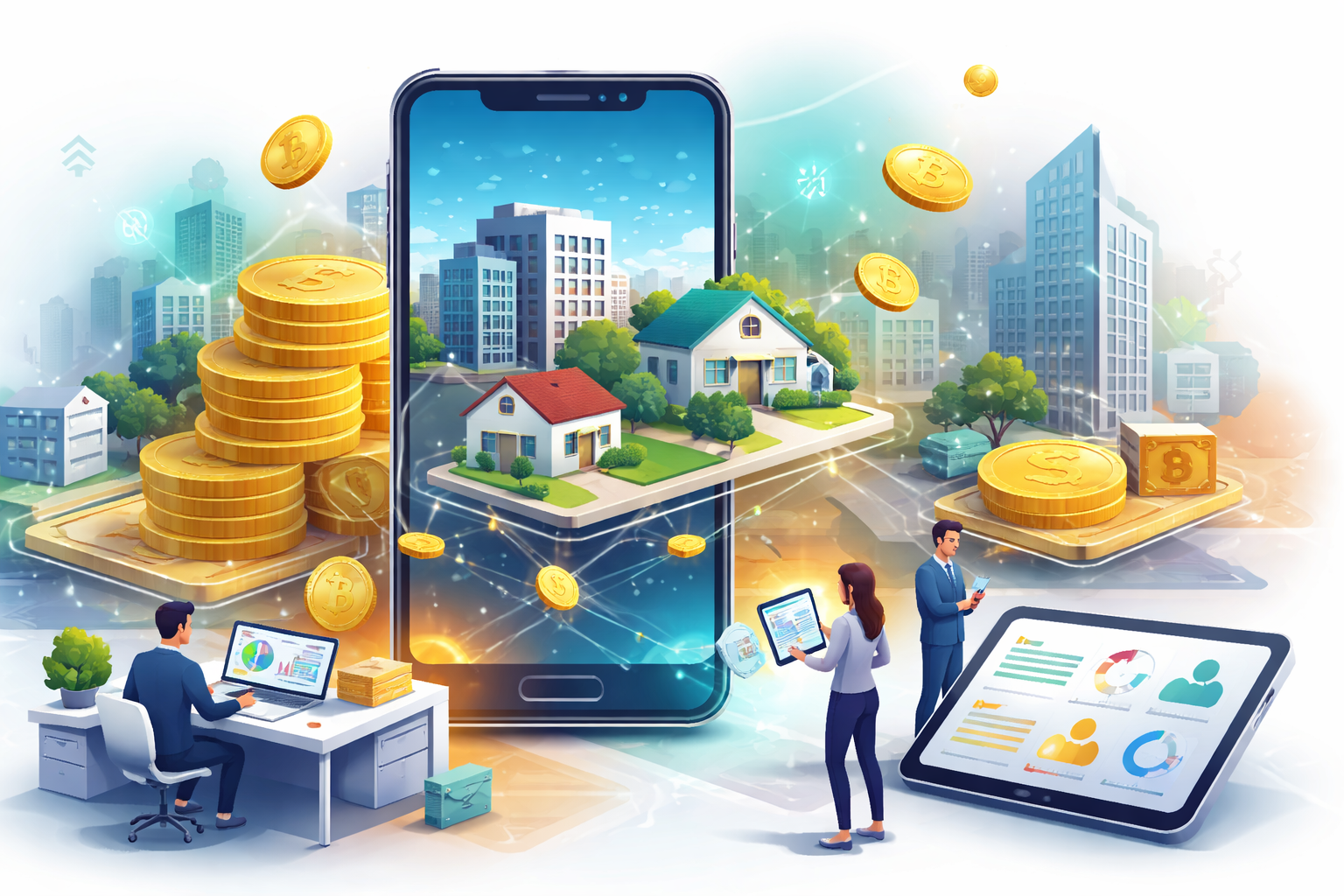
In recent years, tokenization of real-world assets (RWA tokenization) has emerged as a fundamental shift in the way financial systems operate. By digitizing traditional assets such as real estate, bonds, commodities, and other forms of value into blockchain-native digital tokens, tokenization promises to transform the legacy infrastructure of payment rails and settlement systems. This advancement has profound implications for speed, transparency, cost efficiency, and global accessibility of financial transactions. This article explores how RWA tokenization improves payment rails and settlement efficiency by delving into its mechanics, benefits, real-world applications, challenges, and future outlook.
Understanding RWA Tokenization and Payment Rails
Before unpacking the efficiency improvements, it is crucial to define the core concepts:
Real-World Asset (RWA) Tokenization refers to the process of converting ownership rights in a physical or traditionally illiquid asset into a digital token that exists on a blockchain. These tokens represent fractionalized interests in the underlying asset, which can range from real estate to fine art, commodities to venture capital funds.
Payment Rails are the systems or infrastructures over which payments are transmitted between parties. Traditional payment rails include mechanisms such as SWIFT, ACH, credit card networks, and central clearing systems. These systems often suffer from high costs, limited operating hours, settlement delays, and dependency on intermediaries.
Tokenization introduces a new paradigm where digital tokens can represent value and be transferred seamlessly over decentralized networks, reducing reliance on intermediaries and enhancing transaction characteristics.
The Limitations of Traditional Payment Rails and Settlement Systems
Traditional payment and settlement systems have historically been plagued by inefficiencies rooted in legacy infrastructure and layered intermediaries. Some of the key drawbacks include:
Centralization and Intermediaries: Traditional systems depend on multiple intermediaries such as custodians, clearinghouses, and correspondent banks. Each intermediary adds cost, time, and complexity to transactions.
Settlement Delays: Many settlement processes require multiple days to complete (e.g., T+2 for equities), which can lock up liquidity and increase counterparty risk.
High Costs: Fees associated with cross-border payments, currency conversions, and asset transfers are substantial due to intermediary fees and legacy processing charges.
Limited Transparency: Tracking the status of a payment or asset transfer can be opaque, with no unified ledger available for all participants to view.
Operating Windows: Traditional systems operate during business hours and exclude weekends and holidays, contributing to further delays.
These inefficiencies create friction in global commerce, hinder liquidity, and elevate operational risk.
Mechanics of RWA Tokenization and Blockchain Settlement
RWA tokenization fundamentally alters how assets and payments move through financial ecosystems by leveraging blockchain technology. At its core, tokenization involves:
Digitizing Ownership: Legal and regulatory frameworks are aligned to ensure token holders have enforceable rights to an asset.
Smart Contracts: Automated code that governs transfer conditions, compliance, and settlement requirements without manual intervention.
Distributed Ledger Technology (DLT): A shared, immutable ledger that records all transactions in real time, enhancing transparency and auditability.
When a real-world asset is tokenized, it becomes transferable on a blockchain network. Payment rails embedded within the blockchain ecosystem facilitate near-instant transfers of tokenized value. Settlement becomes a function of consensus mechanisms, where the transfer is validated by the network and recorded on the ledger at the moment of transaction finality.
How RWA Tokenization Improves Payment Rails
1. Instant or Near-Instant Settlements
One of the most significant improvements tokenization offers is the acceleration of settlement times. As opposed to traditional T+2 or T+3 settlement cycles, tokenized transactions can achieve near-instant settlement. Once the transaction is validated by the blockchain network, ownership records are updated immediately, and funds are transferred without waiting for batch processes.
Instant settlement reduces counterparty risk (the risk a party defaults before settlement) and frees up capital, making liquidity more efficient across markets.
2. Global 24/7 Operations
Blockchain networks are decentralized and operate around the clock. Unlike legacy systems constrained by banking hours and geopolitical holidays, tokenized payment rails function 24/7 with uninterrupted processing capabilities. This global settlement window significantly increases market accessibility and supports real-time commerce.
3. End-to-End Transparency
With RWA tokenization, all transactions are recorded on a public or permissioned blockchain. Each network participant can verify transaction history and provenance without needing to interact with multiple intermediaries or custodians. This transparency reduces reconciliation efforts and simplifies audit processes.
4. Lower Transaction Costs
Traditional payment and settlement systems incur costs at multiple stages—correspondent banking fees, custodial charges, clearing fees, and compliance costs. Tokenization reduces or eliminates many of these costs by leveraging smart contracts and peer-to-peer transfers. This cost efficiency benefits both institutional and retail participants.
5. Fractional Ownership Enhances Liquidity
Tokenization enables assets to be broken down into fractional units, allowing many investors to own small portions of high-value assets like commercial real estate or fine art. Fractionalization expands investor access and deepens market liquidity. More participants mean a more active market and improved price discovery.
6. Automated Compliance and Reporting
Smart contracts embedded within tokenized structures can enforce compliance rules automatically. For example, KYC/AML (know-your-customer / anti–money-laundering) checks, transfer restrictions, and tax withholding can be coded into the token logic. Automated compliance reduces manual oversight, expedites transaction processing, and minimizes regulatory risk.
7. Programmable Money and Conditional Payments
Tokenized assets and associated payment rails support programmable money—funds that execute based on pre-defined conditions set in smart contracts. Conditional payments eliminate settlement ambiguity by automatically executing payments upon fulfillment of contract conditions (e.g., delivery of goods, achievement of milestones).
This feature is particularly useful for supply chain financing, insurance payouts, and automated dividend distributions.
How RWA Tokenization Improves Settlement Efficiency
1. Elimination of Reconciliation Delays
Traditional financial systems demand reconciliation between multiple ledgers maintained by custodians, clearinghouses, and participants. This reconciliation process can take hours or days. In tokenized systems, settlement and record keeping occur on a single distributed ledger, eliminating the need for multiple reconciliations and reducing operational risk.
2. Reduced Counterparty Risk
In traditional finance, delays in settlement can expose parties to counterparty risk—the risk that one party fails to honor its obligations before the transaction is completed. Tokenized settlements complete in real time or near real time, shrinking the window of risk and enhancing transactional reliability.
3. Atomic Settlements
Blockchain technology enables atomic transactions, where the transfer of assets and funds occurs simultaneously and irrevocably. In contrast, traditional systems often require separate processes for transferring ownership and settling payment, which can be asynchronous and may involve settlement risk.
Atomic settlement ensures that either both legs of a transaction occur together, or neither occurs at all, removing the possibility of partial settlement.
4. Seamless Cross-Border Settlements
Cross-border transactions in legacy systems often require intermediary banks, foreign exchange processes, and compliance checks that delay settlement. Tokenized payment rails operate globally, and with integrated on-chain stablecoins or digital central bank currencies (CBDCs), cross-border transfers can settle in minutes or seconds, bypassing many conventional intermediaries.
5. Enhanced Audit Trails
Blockchain’s immutable ledger provides an auditable transaction history from origin to settlement. Each transaction contains metadata, timestamps, and cryptographic proof of execution, reducing the need for manual auditing and enhancing trust among participants.
6. Improved Operational Efficiency
Tokenization automates many manual tasks previously performed by back-office operations: trade matching, confirmation, settlement, and custody management. Smart contracts reduce human intervention and data entry errors, freeing up resources for strategic efforts rather than routine processes.
Real-World Examples and Use Cases
1. Tokenized Real Estate Payments
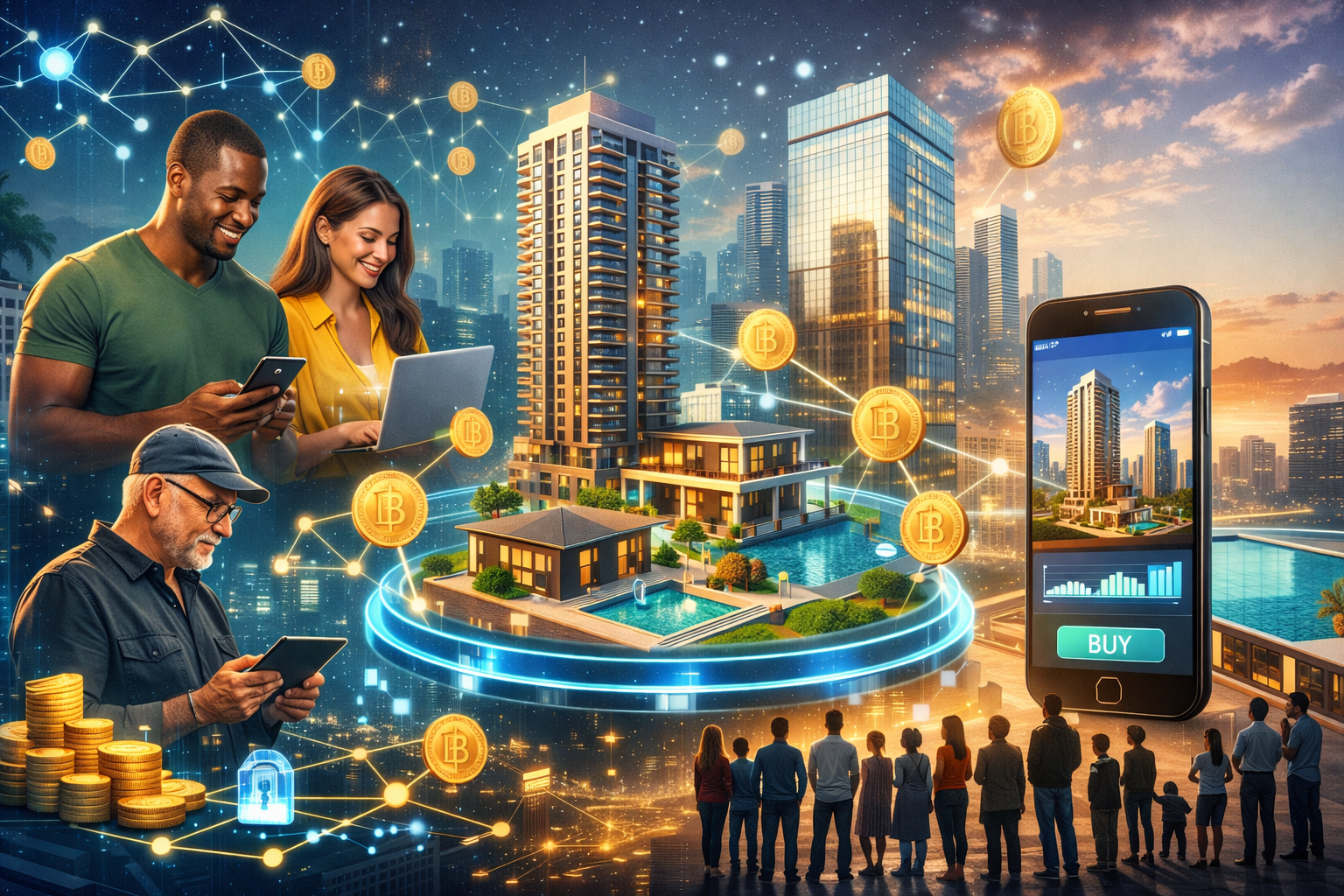
In traditional real estate investments, transactions involve lawyers, escrow agents, banks, title companies, and custodians. With tokenized real estate, ownership is recorded on a blockchain, and the transfer of tokens representing ownership shares occurs instantly upon payment. This streamlines closing processes, reduces fees, and enables fractional investment.
2. Supply Chain Finance and Payments
Tokenization enables real-time tracking of goods and linked automated payments. For instance, a manufacturer’s delivery triggers an on-chain event that automatically settles payment to suppliers using smart contracts. This reduces financing costs, improves cash flows, and accelerates settlement cycles.
3. Digital Bonds and Securities
Tokenized bonds and financial securities settle in minutes instead of days. Investors can trade tokenized securities on digital exchanges, with near-instant settlement confirmed on the blockchain. This eliminates the need for clearinghouses and reduces settlement risk.
4. Cross-Border Payroll and Remittances
International payroll and remittance payments traditionally face delays and high fees due to intermediaries. By leveraging tokenized currencies or stablecoins, employers can distribute payroll instantly to global employees, and workers can receive remittances in near real time with lower transfer costs.
Regulatory Considerations and Challenges
While RWA tokenization promises efficiency gains, several challenges persist:
1. Legal Recognition and Compliance
For tokens to represent enforceable ownership, clear legal frameworks must acknowledge tokenized rights. Jurisdictional uncertainty can complicate cross-border token transfers.
2. Regulatory Oversight
Tokenized assets often intersect with securities laws, AML/KYC regulations, and tax reporting requirements. Regulators must balance innovation with investor protection.
3. Interoperability Between Systems
Bridging traditional systems with blockchain payment rails requires interoperable standards. Legacy institutions may need to upgrade infrastructure to interact with tokenized platforms.
4. Security and Custody Risks
While blockchain provides transparency, digital assets still require secure custody solutions. Safeguarding private keys and implementing robust security protocols remain paramount.
5. Market Adoption and Education
Widespread adoption hinges on institutional trust and understanding. Stakeholders must be educated on the benefits, risks, and operational nuances of tokenized systems.
Future Outlook: Tokenization and the Next Generation of Financial Infrastructure
As regulatory frameworks evolve, and as global financial institutions explore tokenization pilots and production systems, the potential for RWA tokenization to redefine payment rails and settlement infrastructure becomes increasingly tangible.
1. Integration with Central Bank Digital Currencies
Central bank digital currencies (CBDCs) may serve as tokenized forms of national currencies on blockchain networks, enabling seamless settlement and cross-border payments. Coupled with RWA tokenization, CBDCs can increase efficiency, transparency, and monetary policy implementation.
2. Interoperable Decentralized Networks
Future financial systems may operate on interoperable blockchain networks that support tokenized assets and payment rails spanning multiple platforms. This interoperability can eliminate silos and enhance global liquidity flows.
3. New Financial Products and Markets
Tokenization will drive innovation in asset classes, enabling new products such as programmable equity, automated revenue-sharing contracts, and on-chain derivatives. These developments will expand markets and deepen liquidity.
4. Inclusion and Accessibility
By lowering barriers to entry and enabling fractional ownership, RWA tokenization democratizes access to previously illiquid asset classes. Retail investors can participate alongside institutions, broadening financial inclusion.
Conclusion
RWA tokenization represents a pivotal innovation in modern finance, reshaping payment rails and settlement systems with remarkable efficiency gains. By digitizing real-world assets and leveraging blockchain technology, tokenization accelerates settlements, reduces costs, enhances transparency, and expands global accessibility. While challenges related to regulation, interoperability, and security remain, the momentum behind tokenization indicates a future where payment rails and settlements are faster, more transparent, more inclusive, and better integrated into a globally connected financial ecosystem. As institutions, regulators, and technology developers collaborate, the promise of a more efficient financial infrastructure powered by tokenized assets moves closer to full realization.





Write a comment ...