
The real estate industry has long been associated with tangible, physical assets—buildings, land parcels, and commercial spaces. Traditionally, owning, transferring, or managing these assets involves lengthy legal procedures, extensive documentation, and high transaction costs. However, the emergence of blockchain technology and real estate tokenization is fundamentally transforming how property assets are represented, traded, and managed. A real estate tokenization development company plays a critical role in this evolution, enabling the digitization of physical properties through innovative technological frameworks. This blog explores how such companies facilitate the transition from conventional real estate ownership to blockchain-based digital representations, also known as real estate tokens.
Understanding Real Estate Tokenization
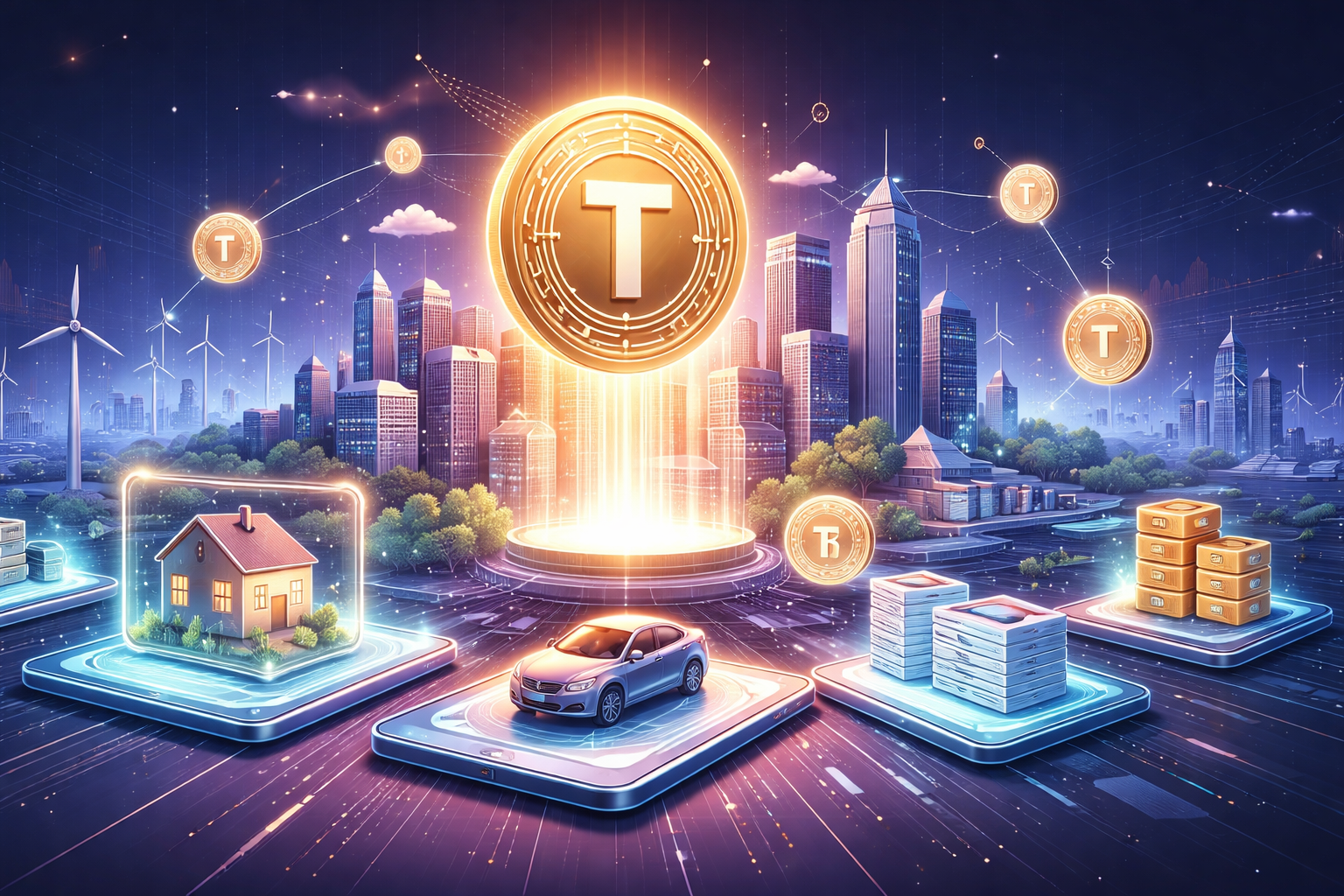
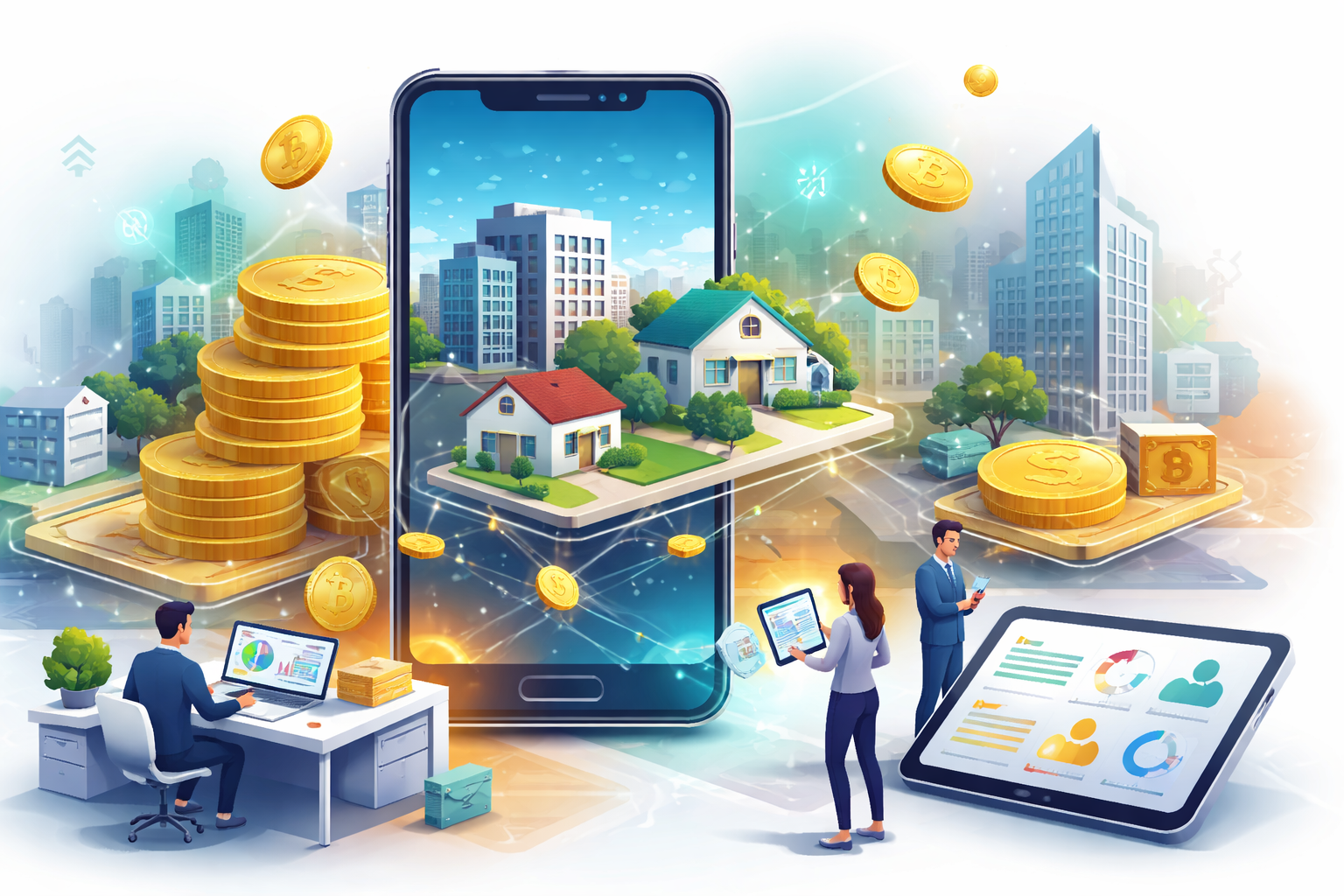
Real estate tokenization refers to the process of converting ownership rights or shares in a physical property into digital tokens on a blockchain network. Each token represents a fractional interest in the property, allowing the asset to be divided into smaller, tradable units. By leveraging blockchain technology, tokenization provides transparency, security, and automated management of real estate assets.
The role of a real estate tokenization development company is to design, develop, and implement the technological infrastructure required for tokenizing physical properties. This involves creating smart contracts, integrating regulatory compliance, establishing secure digital wallets, and ensuring seamless interaction with blockchain networks. Unlike traditional property management methods, tokenization allows property assets to be more flexible, traceable, and digitally liquid, although the primary focus remains on digitization and operational efficiency rather than investment opportunities.
Steps in Digitizing Physical Property Assets
Digitizing physical property assets is a multifaceted process that requires careful planning, technological expertise, and a clear understanding of legal frameworks. Real estate tokenization development companies follow a structured approach to achieve this transformation.
1. Property Evaluation and Legal Structuring
Before digitizing a property, the development company conducts a comprehensive evaluation of the asset. This assessment includes verifying ownership, ensuring compliance with zoning and building regulations, and determining the asset’s legal status. A key aspect of this step is defining the legal structure for tokenization.
Depending on the jurisdiction, tokenization may require creating a special purpose vehicle (SPV) or a legal entity that holds the property. The SPV becomes the custodian of the real estate asset, while tokens issued on the blockchain represent fractional ownership or entitlement to revenue generated by the property. Legal structuring ensures that the tokenization process aligns with property laws, securities regulations, and taxation requirements, laying the foundation for a compliant and secure digital representation.
2. Digital Asset Modeling
Once the legal and regulatory frameworks are in place, the company proceeds to model the physical property as a digital asset. This involves identifying the specific rights and responsibilities that each token will represent. Tokens can correspond to full ownership, revenue-sharing rights, or usage rights such as timeshares in residential or commercial properties.
Developers create a digital blueprint of the property on the blockchain, ensuring that each token is accurately linked to the physical asset. This digital model includes detailed property information, such as location, dimensions, amenities, ownership history, and maintenance schedules. By integrating this information into a secure digital ledger, stakeholders can verify the property’s authenticity, track ownership changes, and access operational data in real time.
3. Smart Contract Development
Smart contracts are self-executing digital agreements that automatically enforce predefined rules when certain conditions are met. They form the backbone of the tokenization process. A real estate tokenization development company designs smart contracts to manage property transactions, ownership transfers, rental agreements, and revenue distributions.
For example, if a token represents a share in rental income, the smart contract can automatically calculate and distribute the rental revenue to token holders according to their ownership proportion. Smart contracts also enable automated compliance, ensuring that property transactions adhere to regulatory and legal standards without the need for intermediaries. This automation reduces operational complexity, minimizes errors, and enhances transparency.
4. Blockchain Integration
Blockchain technology provides a decentralized, tamper-proof ledger for recording and managing tokenized property assets. A tokenization development company selects an appropriate blockchain platform, such as Ethereum, Solana, or Binance Smart Chain, based on factors like transaction speed, security, cost, and compatibility with regulatory frameworks.
Once the blockchain network is chosen, the company deploys the smart contracts and issues digital tokens representing the property. Each transaction, whether it is a transfer of ownership, rental payment, or update to property details, is recorded on the blockchain. This ensures a permanent, transparent, and easily auditable history of all activities related to the property, reducing disputes and improving accountability.
5. Token Issuance and Wallet Integration
After blockchain integration, tokens representing fractional ownership of the property are issued to authorized participants. These tokens are stored in secure digital wallets, which provide holders with access to property information, transaction history, and revenue streams.
Wallet integration is a critical aspect of real estate tokenization, as it enables seamless management of digital assets. Development companies design wallet interfaces that allow users to securely hold, transfer, or interact with their tokens. Advanced wallets may also support multi-signature approvals, enabling multiple stakeholders to manage transactions collectively, further enhancing security and trust.
6. Data Security and Compliance
Digitizing physical property assets requires rigorous attention to data security and regulatory compliance. Real estate tokenization development companies implement advanced encryption protocols, identity verification systems, and access control measures to safeguard sensitive information.
Compliance with data privacy laws, anti-money laundering (AML) regulations, and know-your-customer (KYC) requirements is integrated into the tokenization workflow. This ensures that property digitization not only improves operational efficiency but also adheres to legal and ethical standards, providing a trustworthy digital environment for all stakeholders.
7. Property Management and Maintenance Automation
Tokenization is not limited to ownership representation; it also enhances property management. By linking tokens to operational data, companies can automate property maintenance, tenant management, and service scheduling. For instance, a smart contract can trigger maintenance alerts, schedule inspections, or release funds for property repairs based on predefined rules.
This integration of digital tokens with property management systems improves transparency, reduces administrative overhead, and enables efficient resource allocation. It also creates a digital record of property usage and upkeep, which can be invaluable for auditing and operational planning.
Benefits of Real Estate Tokenization
The digitization of physical property assets through tokenization offers several tangible advantages:
Enhanced Transparency: Blockchain records provide an immutable and auditable history of property ownership, transactions, and operational data, reducing disputes and improving trust.
Fractional Ownership: Tokenization allows properties to be divided into smaller units, enabling flexible ownership structures and usage rights.
Automation of Processes: Smart contracts automate ownership transfers, revenue distribution, and maintenance workflows, minimizing manual intervention and errors.
Operational Efficiency: Digital property management reduces paperwork, streamlines compliance, and accelerates transaction timelines.
Accessibility: Tokenization simplifies access to property-related information for stakeholders, enabling data-driven decision-making and better asset management.
Enhanced Liquidity: Although not investment-focused, tokenization makes physical assets easier to transfer digitally, providing a form of operational liquidity and traceability.
Use Cases in Different Property Segments
Real estate tokenization is applicable across various types of property assets, each benefiting from digitization in unique ways:
Residential Real Estate
Tokenization can represent fractional ownership or usage rights in residential properties such as apartments, condominiums, or vacation homes. Smart contracts can manage rental income, automate maintenance scheduling, and track occupancy, improving transparency for owners and tenants alike.
Commercial Real Estate
In commercial spaces like office buildings, retail centers, and warehouses, tokenization enables detailed tracking of leasing agreements, operational expenses, and revenue streams. Tokens can represent revenue-sharing rights, facilitating automated distribution of rental income to stakeholders.
Industrial and Logistics Facilities
Tokenization of industrial facilities and logistics hubs allows detailed digital tracking of occupancy, maintenance schedules, and operational performance. Smart contracts can automate vendor payments, service contracts, and equipment monitoring, creating a highly efficient property management ecosystem.
Mixed-Use Developments
Mixed-use projects combining residential, commercial, and retail spaces benefit from tokenization by providing a unified digital representation of all property components. Tokens can encode rights for different property segments, simplifying management and reporting.
Challenges in Property Digitization
While real estate tokenization offers significant advantages, it is not without challenges:
Regulatory Complexity: Compliance with property laws, securities regulations, and local legal frameworks can be complex and jurisdiction-specific.
Technology Adoption: Stakeholders may need education and training to effectively adopt blockchain-based property management systems.
Data Privacy: Protecting sensitive property and stakeholder information requires robust security measures.
Integration with Legacy Systems: Traditional property records and management processes may need to be integrated with digital tokenization platforms, which can be technically demanding.
A real estate tokenization development company addresses these challenges by offering a combination of legal, technical, and operational expertise to ensure a seamless and compliant digitization process.
The Role of Development Companies in Shaping the Future
Real estate tokenization development companies are at the forefront of transforming how property assets are managed and represented digitally. Their work extends beyond simple token issuance to creating integrated ecosystems where physical properties are seamlessly connected to blockchain networks, smart contracts, and digital management tools.
By enabling the digitization of physical assets, these companies are fostering a more transparent, efficient, and flexible real estate industry. The operational benefits of tokenization—from automated management to traceable ownership records—position it as a strategic tool for property owners, managers, and developers looking to modernize asset management.
Conclusion
The digitization of physical property assets through real estate tokenization is redefining the real estate industry’s operational landscape. Real estate tokenization development companies play a crucial role in this transformation, bridging the gap between tangible assets and blockchain technology. Through meticulous legal structuring, digital modeling, smart contract development, and secure blockchain integration, these companies enable property owners to manage assets more efficiently, transparently, and flexibly.
As tokenization technology continues to mature, its application across residential, commercial, industrial, and mixed-use properties will expand, making property management more data-driven, automated, and digitally accessible. While challenges exist, the expertise of tokenization development companies ensures that these obstacles are navigated effectively, allowing the real estate sector to embrace the benefits of digitized property assets. Ultimately, real estate tokenization is not just about creating digital tokens—it is about transforming the very way physical properties are understood, managed, and operated in a digitally connected world.


















Write a comment ...